Every licensed HR platform assumes a company that works a certain way. When yours does not, the gap gets filled by side agreements, shared documents and one person who remembers how promotions really work. We build the system that holds all of it properly.
Often it does not. Configuring an existing product is cheaper and faster, and we will say so. These are the cases where it stops being true.
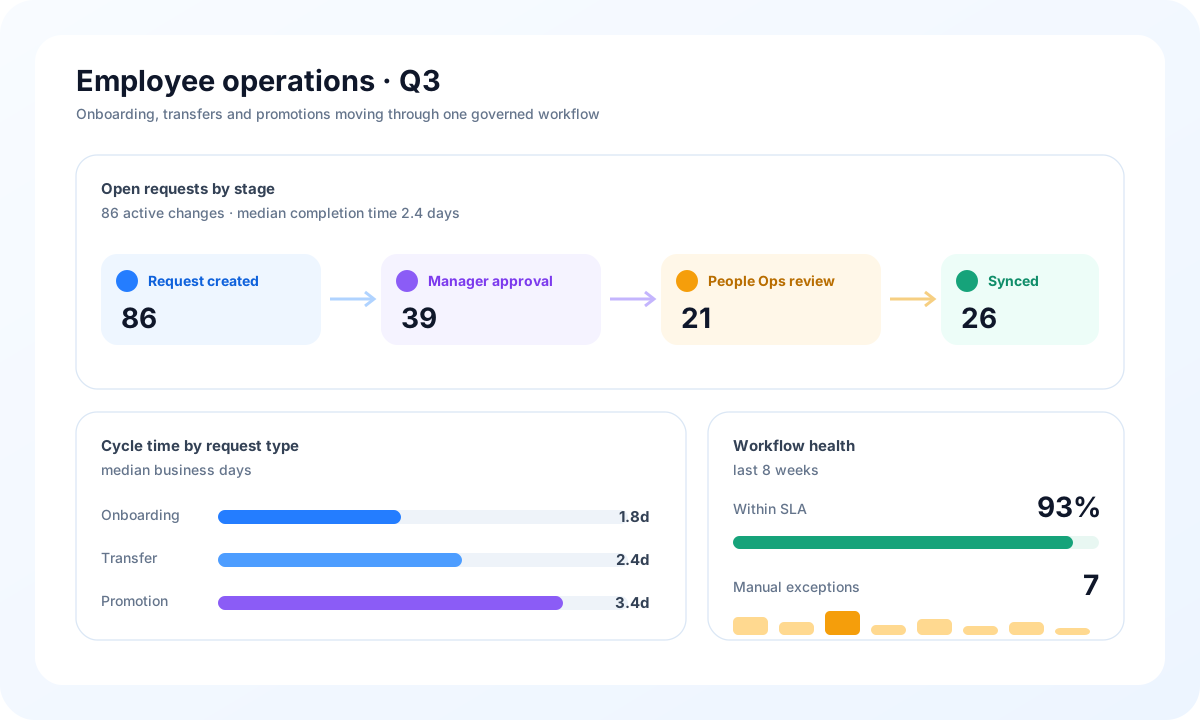
If the way you hire, grade and promote is a deliberate choice rather than an accident, a generic workflow engine will quietly flatten it back to average.
When headcount, compensation and performance need to sit in one model rather than three products connected by nightly exports, owning the schema matters.
Paying per seat for modules you never open is a subscription to someone else’s roadmap. Past a certain headcount the arithmetic stops working.
Data residency, retention rules and audit requirements that vary by country are far easier to satisfy when you control where records live and how long they stay.
A starting menu, not a checklist. Which of these you need comes out of the first two weeks, and it is never all of them at once.
Departments, reporting lines, dotted-line managers, cost centres and legal entities, modelled properly, including messy cases like shared services and matrix reporting.
Onboarding, transfers, promotions, leave and offboarding, each a tracked process with owners, states and deadlines rather than an email thread.
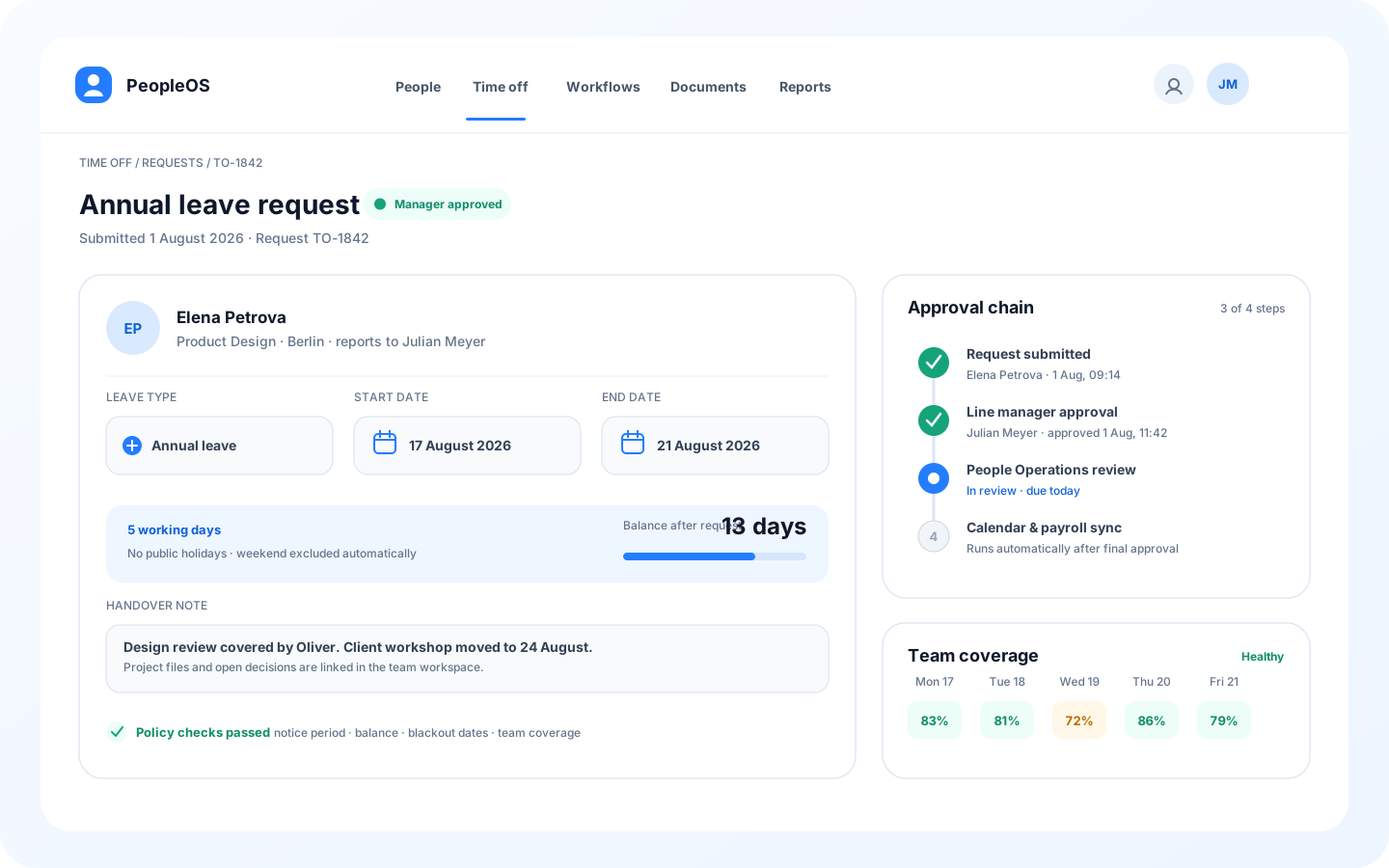
Multi-step approval chains with delegation, escalation and a full audit trail, so "who signed off on this raise" still has an answer months later.
Review cycles, calibration, goal tracking and competency frameworks, configured to your rating scales rather than a vendor's opinion about them.
Payroll, accounting, identity providers, ATS, messaging. Single sign-on and automated provisioning so joiners and leavers propagate on their own.
Granular permissions down to the field, because salary and performance notes should not be visible to everyone who can open an employee record.
The HRM ends up holding the clean record of who works here, at what grade, under which manager. Everything else we build reads from it.
Grades and headcount come from the HRM; benchmarks and budget scenarios come from the analytics platform. No export step between them.
Once the record is clean and permissioned, assistants and agents can answer HR questions against it without leaking data across roles.
Show us the process as it actually runs, spreadsheets and side agreements included. We will come back with what a system needs to cover, and which parts you would be better off leaving alone.
Talk to UsDiscovery €4,800 fixed, build from €38,000, optional monthly support from €1,900.
See the stages and what each one includes